
ZAMBIA
Alliance for Children Everywhere (ACE) has been working with vulnerable children and families in Zambia since 1998.
Today, ACE works with families, communities, and government partners across Zambia to help children grow up in safe, stable, and nurturing homes. We provide parenting support, mental health services, foster care, family reunification, adoption services, and opportunities for families to strengthen their financial stability.
THE LOCAL PICTURE IN ZAMBIA
Children are most likely to reach their full potential in a safe and nurturing family.
However, when caregivers face sustained social, economic, or physical hardship, they may place their children in orphanages as a perceived act of protection. Therefore, interventions are necessary that both respond to children already separated from their families (for example, through reintegration, foster care, and adoption) as well as prevent separation in the first place.
60% of Zambian children live in monetary poverty
40% live in multidimensional poverty, meaning they lack access to various essentials like clean water, sufficient food, education, and/or shelter.
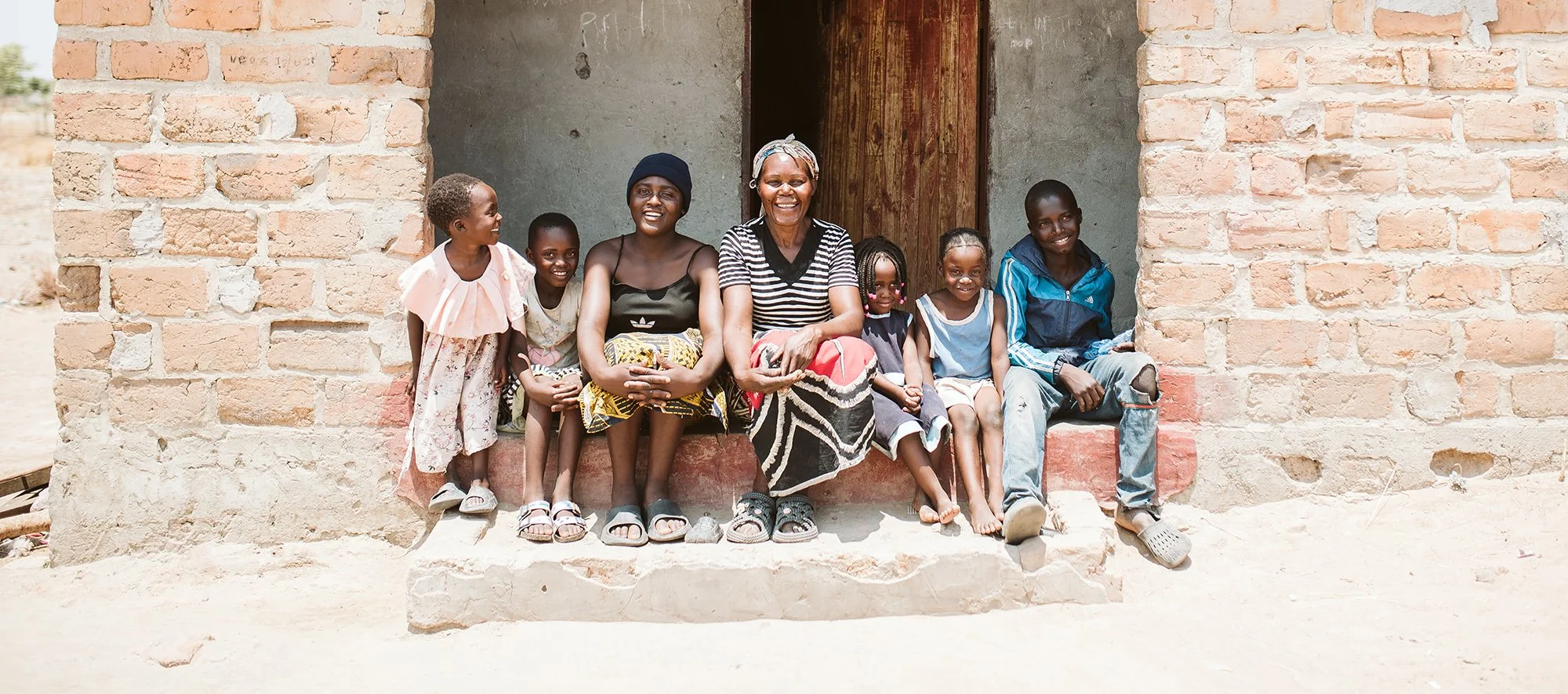
Many families in Zambia face intersecting challenges that can make it difficult to care for their children and build stable, resilient households.
Strong, Tight-Knit Communities
The broader communities in which these children and families live often have the resources and capacity to provide help and care through collective and connected efforts.
According to UNICEF:
THE CASE FOR FAMILY-BASED CARE
Communities in Zambia have for many years consistently recognized the central role of extended families, kinship care, and local support networks in protecting children who have lost or are at risk of losing parental care. Likewise, there are many individuals who have the ability and love to care for children who may be in need. These local social systems already serve as the foundation of care for many children and present a significant opportunity to strengthen community-rooted, family-based alternatives like foster care and domestic adoption that are sustainable, culturally responsive, and locally owned.
Additionally, as a Christian organization, ACE recognizes that the church serves as a unique and influential body to mobilize community support for vulnerable children and families. For nearly 30 years, ACE has partnered with churches, faith-based institutions, and communities to build awareness of family-based care and child protection, and generate localized support for vulnerable children and families. By living into our shared Christian discipleship values of Biblical community, service, humility, compassion, and love, ACE encourages fellow faith actors to embrace their role in caring for children who need a home and in embodying the transformative power of the gospel to heal, restore, and reconcile brokenness, both individually and communally.
At ACE, we believe strengthening these systems is critical to advancing safe, stable, and self-reliant societies in which children are protected and supported at all stages of life.
ZAMBIA PROGRAMS
Click on the images below to learn more about each program


THERE ARE OVER ONE MILLION ORPHANED CHILDREN IN ZAMBIA.
While institutions can provide children with life-saving rescue, they cannot replace the love of a secure, permanent family.
Studies show that institutionalized children do not develop the secure attachments needed to form a healthy sense of self and trusting relationships. Instead, institutionalized children face lifelong higher risks of exposure to illness, abuse, and poverty compared with children raised in secure families. That is why our programs protect families in crisis; restore orphaned children to family; and strengthen communities through economic empowerment and education.
EMBRACE ZAMBIA PROJECT
Since 2014, we have served as exclusive partners with the Zambian Government to prepare over 450 local families for fostering and adoption.
Contact Our Zambia Staff
We would love to hear from you.
ACE Zambia Phone
+260 977306259
Plot No 1310, Chelstone Green, Chelstone, Lusaka, Zambia
ACE Zambia Offices