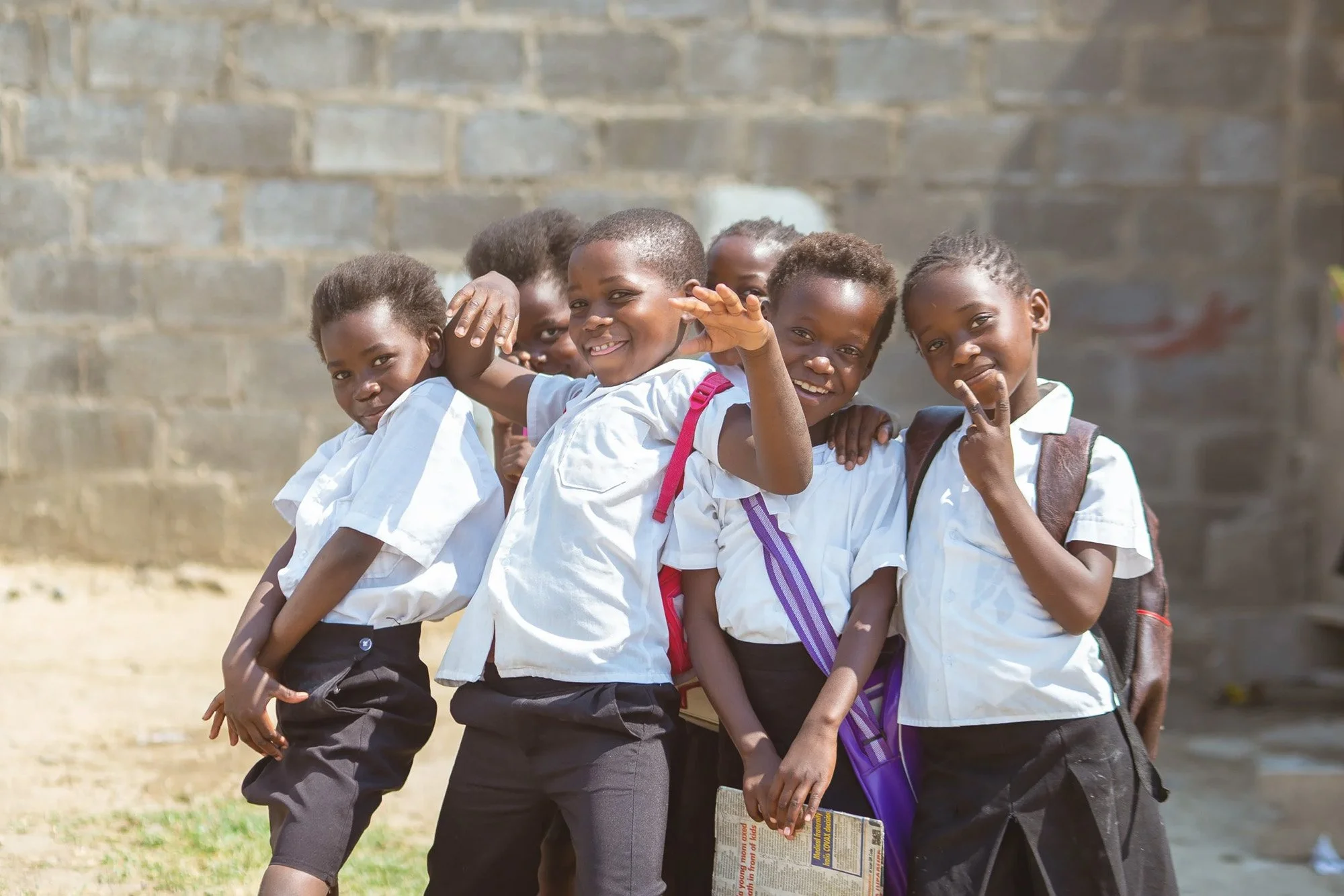


OUR IMPACT
YOUTHS REACHED WITH MENTAL HEALTH EDUCATION
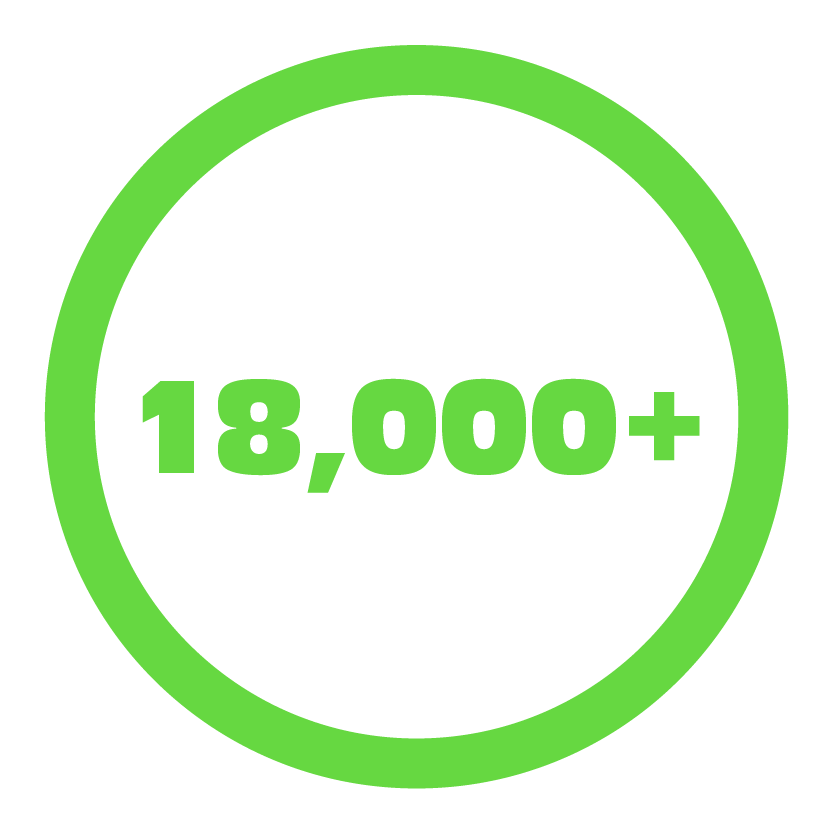
STUDENTS
EDUCATED
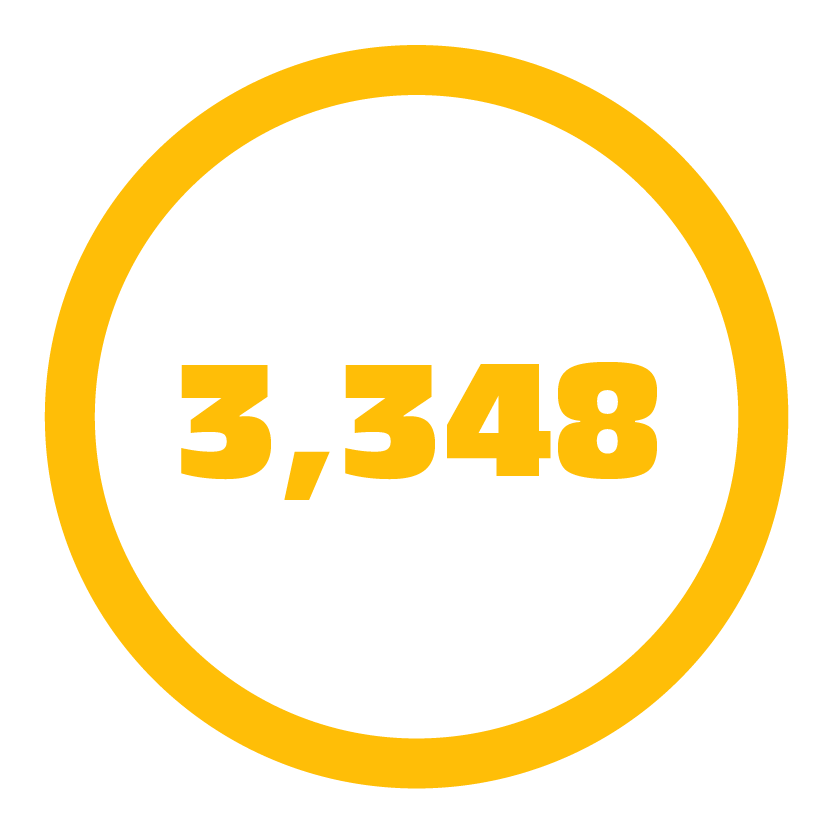
FAMILIES
EMPOWERED

CHILDREN REUNITED
WITH FAMILY
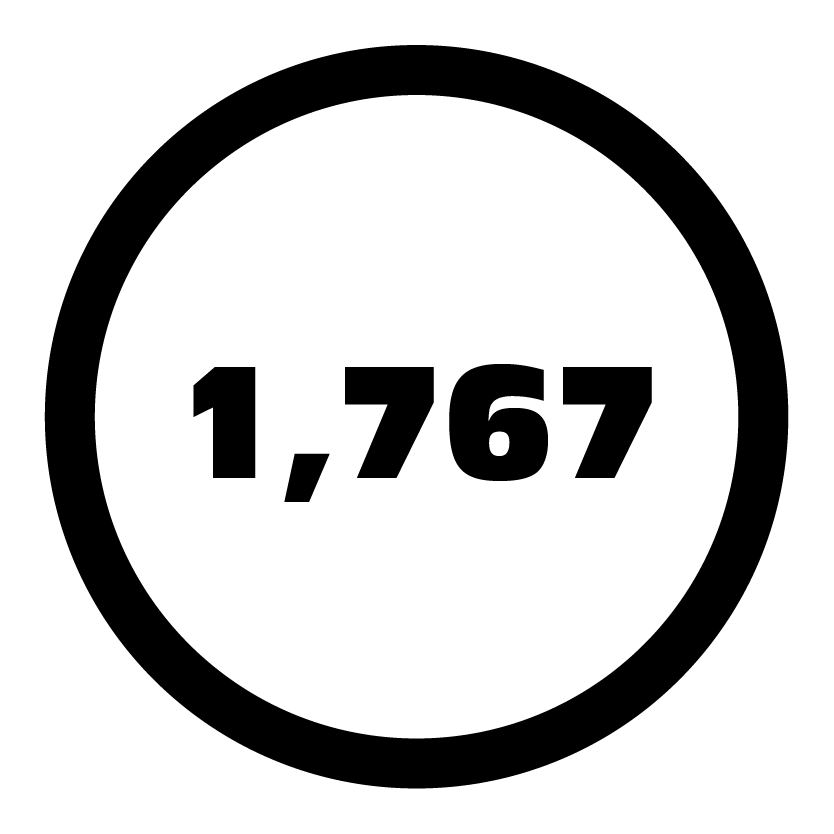
CHILDREN REACHED BY
CHILDREN’S CORNERS
READ OUR 2025-2026 IMPACT REPORT
2025-26 Impact Report
As we reflect on our impact over the past year, we are encouraged by the continued progress made in strengthening children’s wellbeing and supporting families across our communities. Through our integrated programs in education, child protection, and family strengthening, we have reached vulnerable households with practical support while also contributing to long-term, sustainable change.
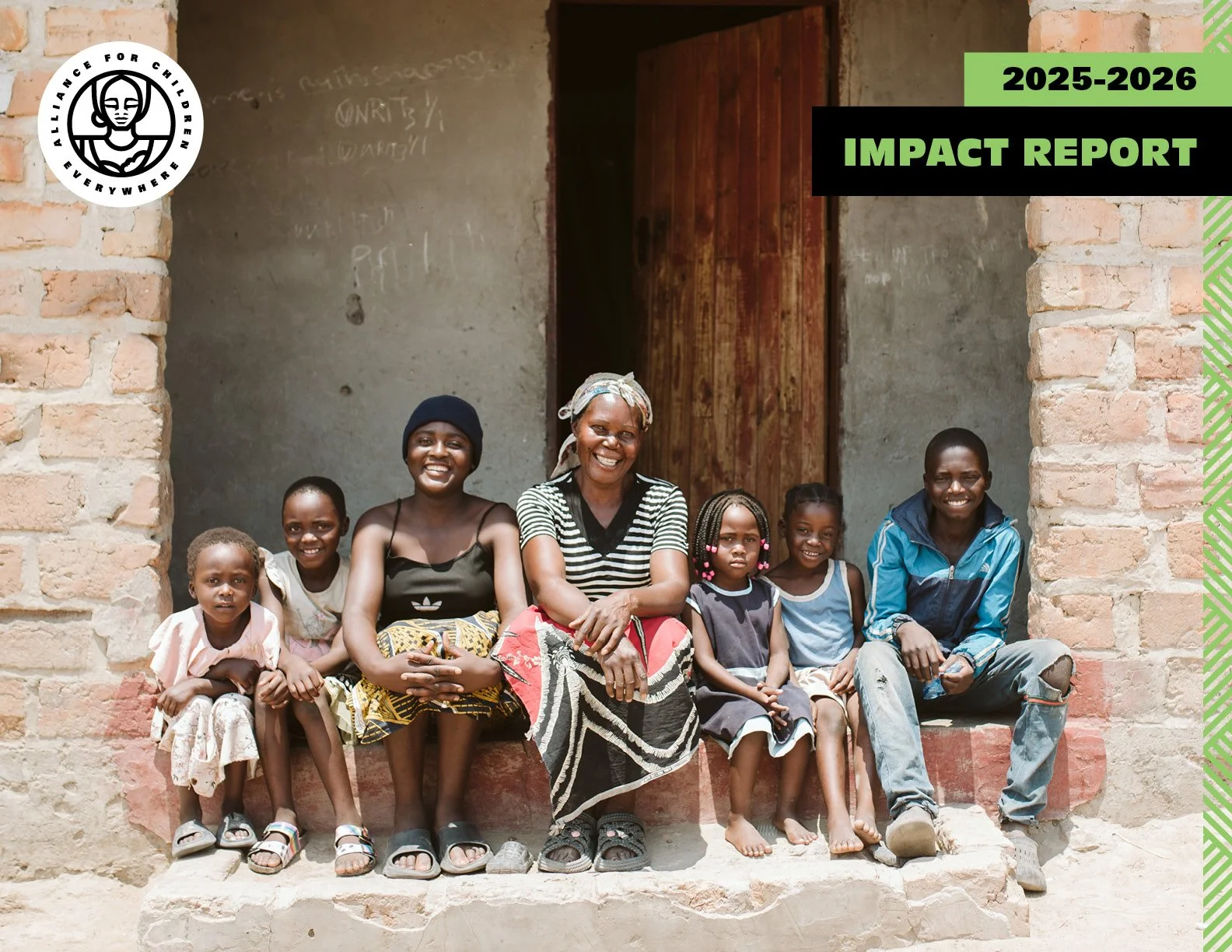
Acting on research that consistently shows that children develop best in safe, loving family environments, ACE Zambia (ACEZ) completed a milestone transition towards a 100% family-based care model. Closing its crisis homes House of Moses and the Bill & Betty Bryant Nursery, ACEZ shifted fully to preventive care and proactive response efforts such as emergency foster care. This is the culmination of a 10-year process, during which ACE’s caregivers and staff have touched the lives of thousands of vulnerable children and families.
We are excited to announce that post-transition, with the same budget, ACE can now support 250% more vulnerable children and families.
IN 2025, ACE ZAMBIA COMPLETED ITS TRANSITION TO FAMILY-BASED CARE.
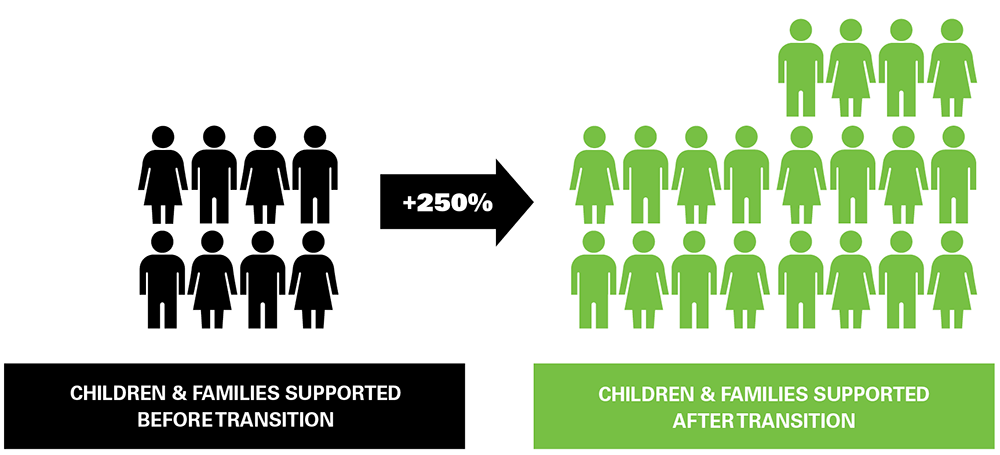
POST-TRANSITION, ACE NOW SUPPORTS 250% MORE VULNERABLE CHILDREN AND FAMILIES WITH THE SAME BUDGET.
FACTS & FIGURES
Learn the facts about family-based care
Up to 80% of children living in institutions have living family.
Many of these living family members love their children and would raise them at home, but they lack the material resources or social access needed to sustain their children’s lives.
Studies show that institutionalized children experience lifelong higher risks of material poverty, abuse, early death, or the inability to form healthy adult attachments with self or other.
Institutional care costs significantly more than family-based care and social services. In a recent study, our team found that family-based care was both operationally more effective and led to better outcomes for children. Consider the data below.
Average Developmental Outcomes, Family-Based vs. Institution
The red bars reflect developmental outcomes for children in residential care, versus the yellow bars for children in family environments.
This research demonstrates positive results from family-based care for both an organization and child.
Children in institutional care were not able to reach 50% on three out of four developmental milestones. In contrast, children raised for their first 18 months outside of an institution were able to realize 85% or above on three of four milestones, and above 65% on all milestones.
- “Case Study on Family-Based Care,” Alliance for Children Everywhere, Oct. 2020.

ADDITIONAL RESOURCES
Alliance for Children Everywhere
“Case Study on Family-Based Care,” Alliance for Children Everywhere, October 2020.
“A Better Path: Family Based Care,” a case study summary by Alliance for Children Everywhere, October 2020.
Learn from global leaders in the movement
Further Reading
“Care reform,” Practitioner Library, Better Care Network.
“Replicable models for transition to family-based care,” Christian Alliance for Orphans, 2015.